
Photo from personal collection.
Rondo Scherzando Jason Sifford Grade 5 ABRSM 2025 – 2026
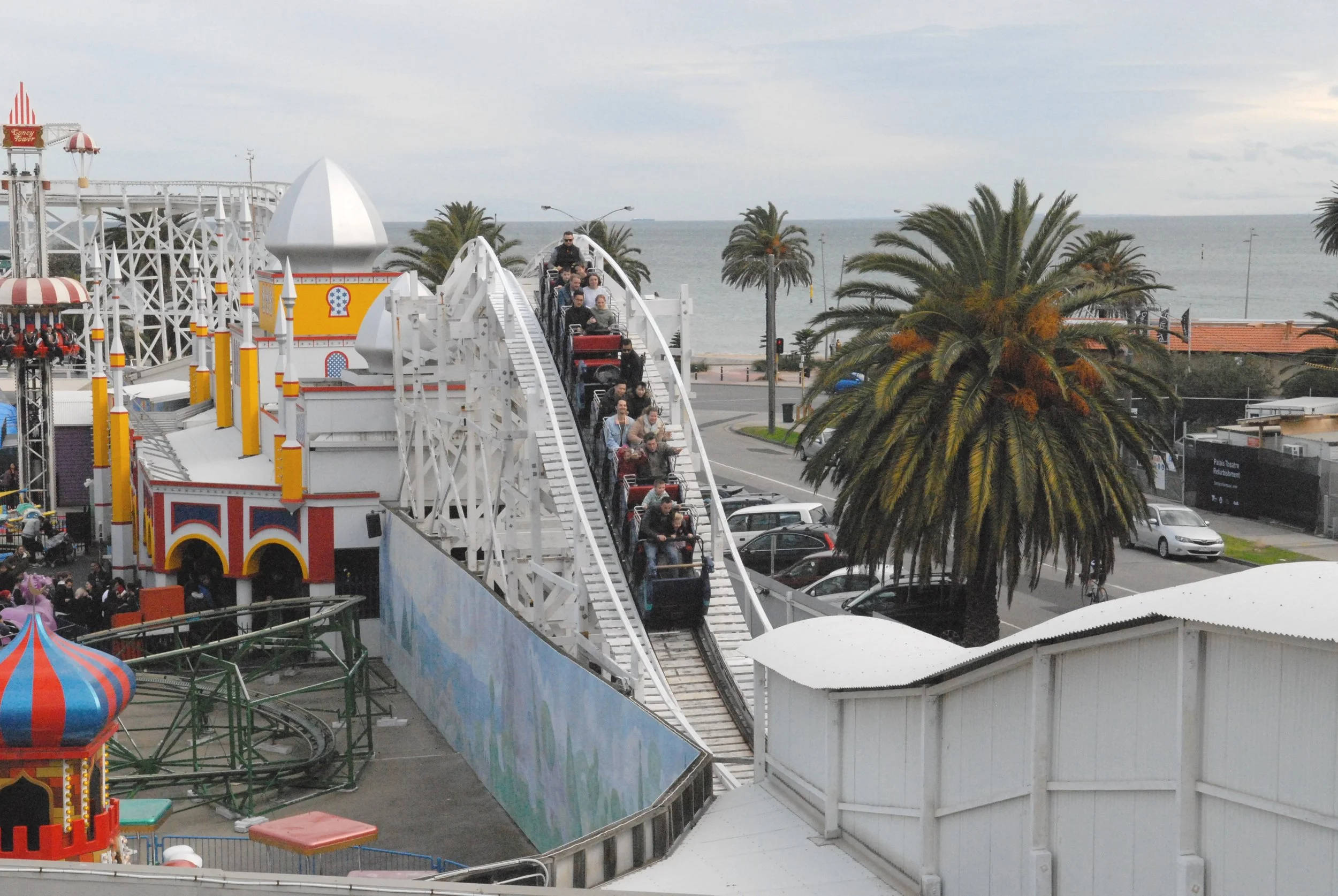
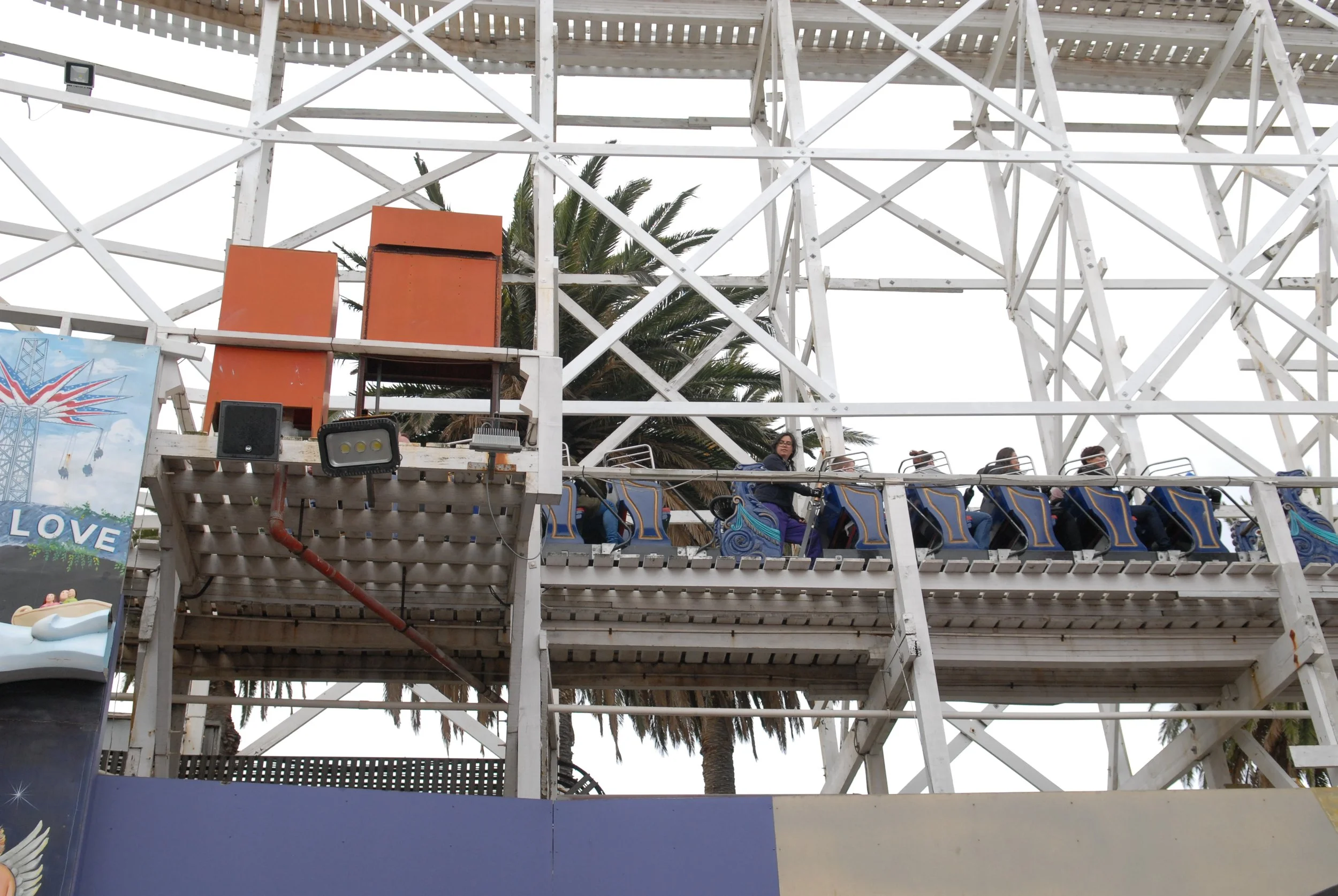
Story/Character of the piece – the composer has written as an introduction to this piece that he is evoking his memories of roller coaster rides when he was a child. He has managed this extremely well as it is an exhilarating piece to play. The player should work out a story that includes all the different melodic elements of the piece – where the roller coaster is ascending before plunging down, the moments that evoke slight feelings of terror and expectation, the moments where the roller coaster nearly comes to a halt and also where it seems to be gathering speed prior to taking off again. The player’s reaction to the events is important too.
Form – as the title suggests, this piece is in rondo form. Bars 1 – 8 contain the main theme; this theme occurs (with variation) three times throughout the piece. The second theme is presented in bars 9 – 15 and this occurs (again with variation) twice in the piece. These two parts should be considered as the A section. Bars 27 – 33 contain the B section; this is a lyrical and pedalled section that contrasts dramatically with the rest of the music. And there is a short C section in bars 45 – 47 although to a certain extent this is a modification of the material in the A section. Joining these parts of the music are passages that connect the themes with each other. These parts are, in two instances, very dramatic in character with descending or ascending chromatic notes
Main part of the music – the loudest part of the music should occur at bar 52 where the final moment of slight terror occurs. Considering the number of sections in this music, all sections must have a main focal point too and these need to be taken in consideration to the overall dynamics of the piece.
Phrasing – in the first section there are six phrases with the first two phrases balancing each other. The player should consider how the second phrase ‘answers’ the first. This provides the music with a degree of calm before the more dramatic music begins. The following two phrases are four bars and six bars in length respectively. The fourth phrase is lengthened because of the connecting bars to the return of the first theme. The fifth and sixth phrases are essentially a repeat of the opening two phrases. The B section contains two phrases, the first being four bars in length and the second five bars. Again, these two phrases balance each other, and the second of the two phrases is lengthened because of its connecting aspect to the following section. Following this is one phrase that stands alone; this is where the music moves to an extremely low register to connect with a return to the A section. This last section contains four phrases; the first two phrases balance each other to a certain degree, and the final two phrases are four bars and seven bars in length respectively.
Tempo, time signature and rhythmic patterns – the speed that is quoted at the start of the piece, 168 crotchet beats per minute is possibly a little fast for some players to achieve. There is a danger that at playing at this speed some of the details and nuances could be lost. A more realistic speed for some will be 138 crotchet beats per minute. The quadruple time signature is perfect for this music as it provides the piece with long soaring phrases that evoke the roller coaster ride. The rhythmic patterns used in this piece should not be a concern as most rhythms used are either quavers and semiquavers. There is a danger that the player will not hold the minims for their correct value in bars 27 – 33. This piece has a kind of cross rhythm at times, for example in bar 1 it feels as if it is 3/3/2.
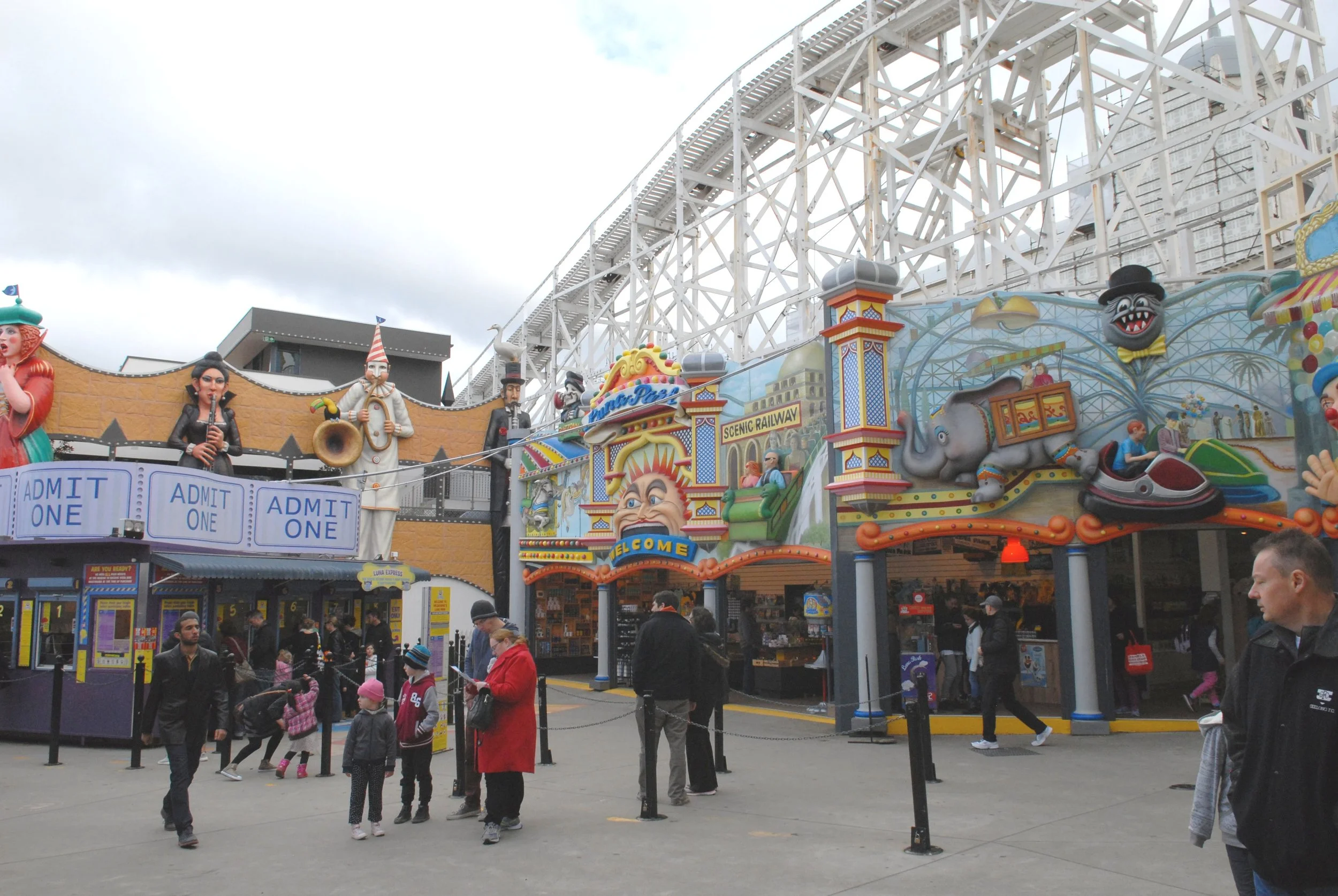
Photo from personal collection.
Touch/Articulation – the composer expressly states that the music should be played sempre non legato. The only area that demands a legato touch is the B section where the composer has marked dolce and the use of pedal. The legato touch should continue into the following four bars, being bars 36 – 39. It is interesting to note that the composer has added staccato dots to most of the notes from bars 55 to the end. On the whole, a light, energetic staccato touch is required when playing this piece with considerable use of a flexible wrist.
Dynamics – clearly because of the recurrence of two of the themes in this piece, the player should ensure that when the same part returns that it is not played with the same dynamics. A wide range of dynamics should be employed when playing this piece from pianissimo to forte. The player will need to carefully grade the dynamic level when playing the semiquaver patterns, such as those in bar 9, as the tone could easily unwantedly surge at these points. Because of the parts that are repeated, the dynamics will need to be changed so that the listener does not become bored.
Balance between the hands – for the most part, both hands play an equal role in this music except in bars 27 – 33 and bars 45 – 47. In bars 45 – 47 though, the L.H. has a very important role to play at this point.
Agogic effects – the composer has indicated one place where the music can slow down, and the player must ensure that this does not result in the quavers being doubled. A slight slowing at the end is appropriate however apart from these occurrences, rubato should not be applied, as it will affect the relentless drive and energy the music conveys. The addition of pedal in bar 39 is surprising but does result in a very effective sound.
Pedal – the player should use the pedal as indicated and it should be noted that the pedal is not used in bars 55 and 56 where it could be expected to be used. There is a danger that there could be a surge in the sound at bar 9, for example. The player will need to be very careful as to where they lift their pedal, as leaving it down too long will result in too much sound at that point. The pedal marked for bars 27 – 33 needs modification because of used as marked there will be too much blurring so some flutter pedal in this bars would be advisable.In bar 35 the last R.H. B must be heard clearly over the remaining pedal sound.
Considerations when playing this piece –
· There is much drama when the A section returns for the final time; the music becomes more dissonant before the second theme appears. The second theme is developed; it essentially continues until the end of the piece.
· The chromatic parts create a sense of panic and anticipation.
· The player will need to think about their body position in bars 36 – 39 as they need to play in a very low register.
· In bar 35 the player should decide what to do with their L.H.
· Considering that there is often a single melodic line the player must ensure that there is drive and momentum as the music could easily become boring and uninteresting.
· Staccato must be used on quavers, semiquavers and crotchets and the listener must be aware the differentiation.
· The listener must be aware of how the L.H. of bar 8 runs into bar 9.
· The player should consider what to do with their other hand when it is not in use.
· At bar 40 the player must ensure that the hands are in a good playing position to start this bar.
· There potentially could be concerns with co-ordination between the hands.
· In bars 27, 29 and 31 the player must avoid any ‘thumping’ on the R.H chord at the end of these bars.
· In bar 9 and others, the player must ensure that the overall beat is maintained.
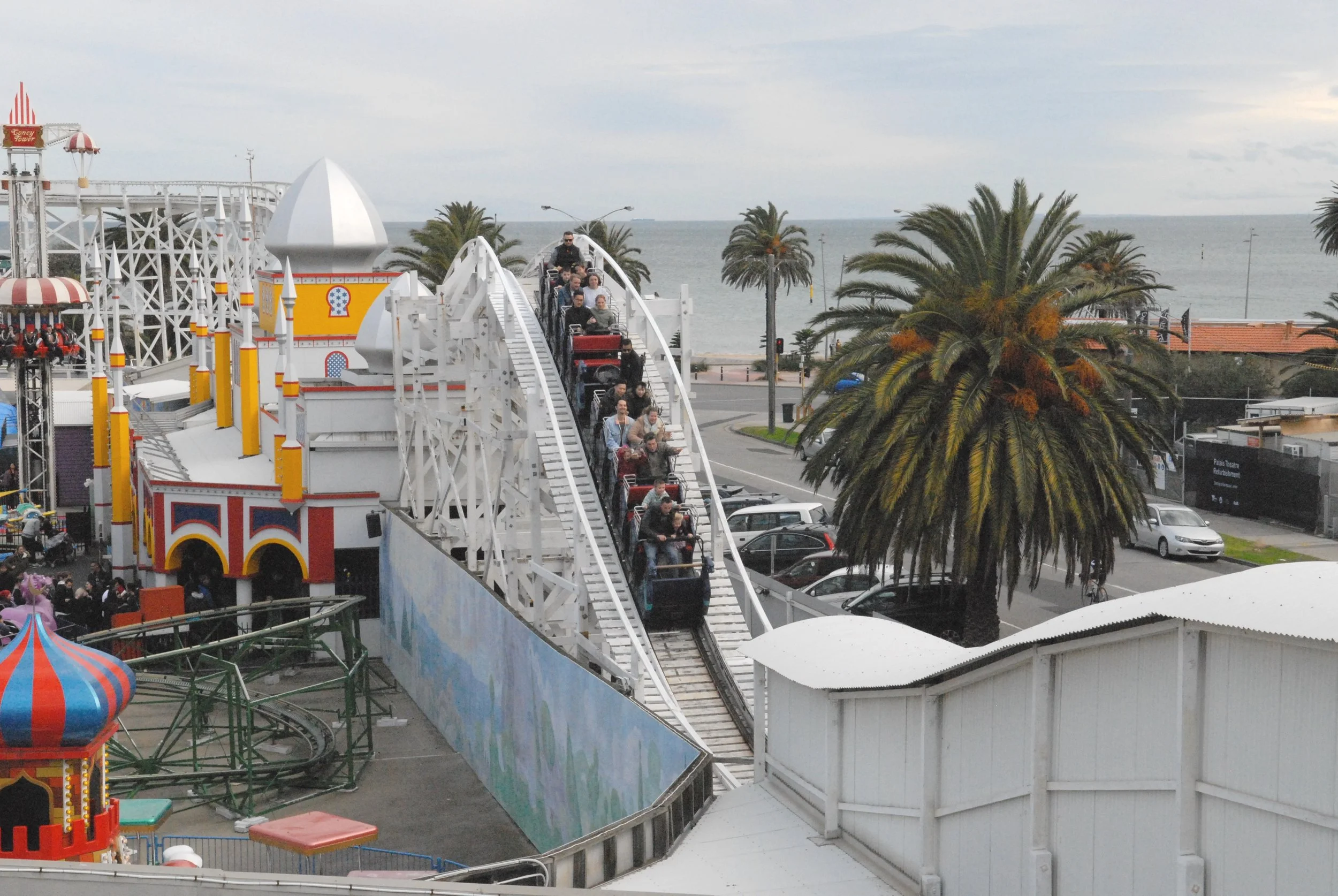
Photo from personal collection.