


Photo from personal collection.
The Village in May Joe Hisaishi Grade 5 ABRSM 2025 – 2026
Story/character of the music – this piece comes from ‘My Neighbour Totoro’ and it would be advisable if the player investigates this film. According to Wikipedia ‘it is a Japanese fantasy film focusing on two young sisters who, after moving with their father to the countryside experience interactions with friendly wood spirits in postwar Japan. The film explores themes such as animism, Shinto symbology, environmentalism and the joys of country living’.
The ABRSM footnotes state ‘until 2020 all the films made by the Japanese animation company Studio Ghibli, including My Neighbour Totoro, were hand-drawn, giving a particularly intense quality to their hallmark magic realist style. Another striking feature of the studio’s films is the music, which deftly draws listeners into the emotional worlds of the characters, resonating evocatively with audiences of all ages. This piece is an easy-going springtime stroll through the countryside, with a light jazzy melody supported by a striding bass line’. The music should convey a sense of calm and relaxation so therefore the dynamics should never be too loud.
Form – the piece commences with an 8-bar introduction which helps to set the scene. Following the introduction the first theme appears in the following seven bars. Then there is a variation of the first theme which continues for six bars towards the main part in bar 23. After this there is a return to the original music with variations in both hands, with the final two bars finishing the piece in a laid-back and relaxed style.
Main part of the music – this should occur at bar 23 where the music sounds as if the trumpets have started to play. This should be at a forte level, and the player should not remain at this level for too long. Considering that the main part is about three-quarters of the way into the music the player must ensure that the listener’s attention is maintained until the end of the piece.
Phrasing – The first two phrases are a pair with the second phrase ‘answering’ the second phrase. The same occurs with the subsequent two phrases although there is a lovely melodic triplet pattern employed that connects the two phrases. This triple pattern is utilised again at the start of the fifth phrase as it moves into a variation of the main theme. The sixth phrase is extended as it contains the main part of the music. The final two phrases of the again a presented as a pair. The phrases in this piece do vary slightly in length with some commencing on upbeats. There is always some kind of connecting melody from one phrase to the following be it in the R.H. or the L.H.
Tempo, time signature and rhythmic patterns – the ABRSM footnotes state that although the arranger’s speed is 126 crotchet beats per minute, a more suitable tempo would be 116 crotchet beats per minute. The quadruple time signature suits the piece very well as it allows the phrases to flow without any undue accentuation. The dotted quaver/semiquaver pattern must be swung as noted on the music. It would be surprising if a Grade 5 pupil has not been exposed to the swung rhythm in earlier grades. Essentially there are no rhythmic patterns in this music that should cause any confusion, however bars 23, 28 and 30 may cause a little concern. Regarding bar 30, there is a danger that the final chord is played too late, in other words, occurring on the first beat of the penultimate bar.
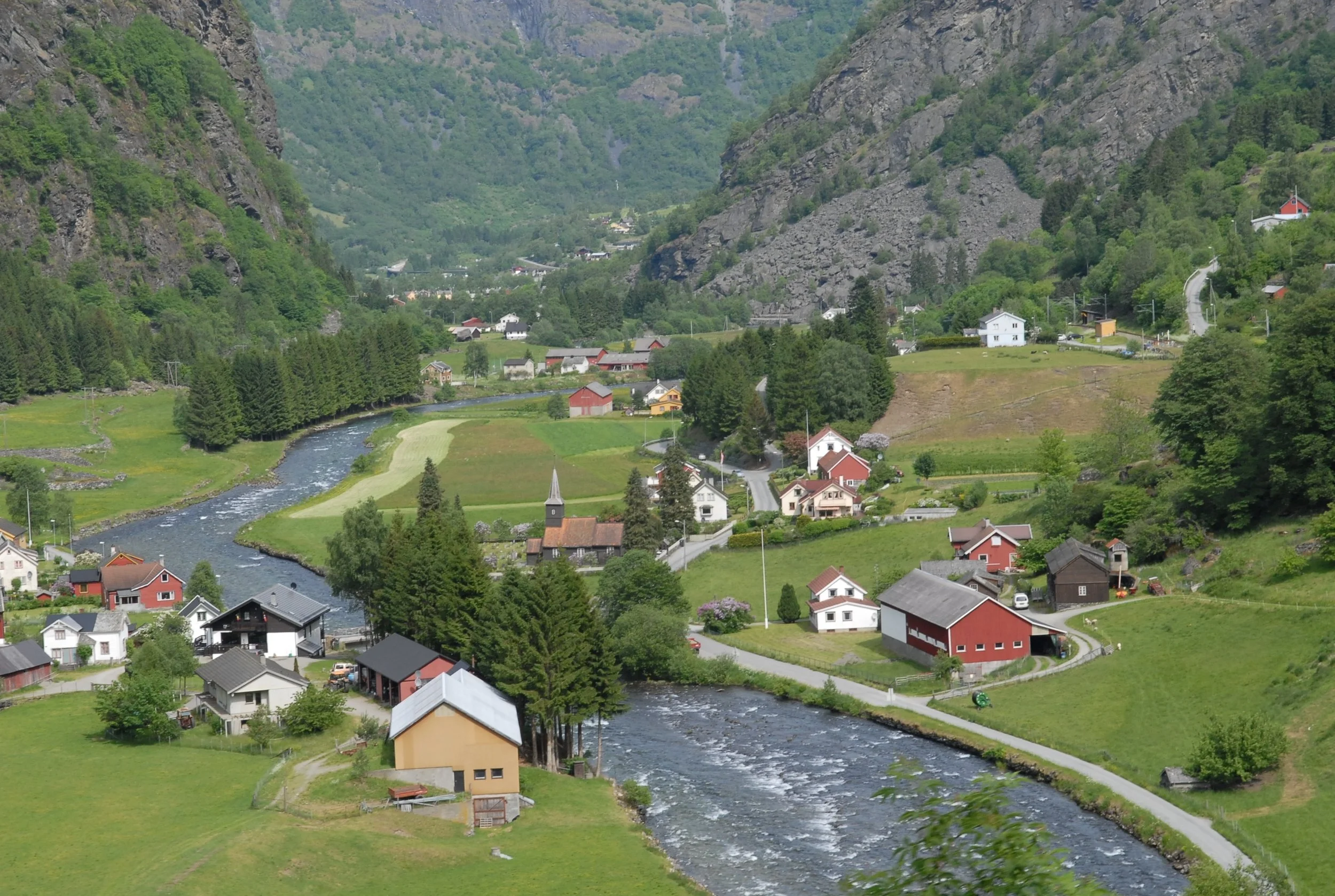
Photo from personal collection.
Touch/Articulation – the arranger has added the word dolce at the start of the music and this is sensible advice. The music needs to be played legato, with the melody conveying a cantabile tone. All the staccato notes or chords should be gently lifted with the fingers in contact with the keys when they are part of a slur. When the staccato dots occur on individual notes, these notes should be gently detached as a spiky staccato would not be appropriate for the style of this piece. The only accented notes in this piece occur in bars 23 and 24 and these notes and chords should be played considering the context in which they occur. And, at the end of the music there are two notes in the L.H. which must be played tenuto. There is cross articulation so to speak at times with the R.H. being legato but with the L.H. lifting on the staccato chords.
Dynamics – as already stated, although the dynamics should provide the piece with brightness and ease, they should never overpower the melody that is being played. A degree of restraint should be employed throughout this piece, and the dynamics are one factor in this respect. It should be noted that the arranger does not provide any dynamics louder than forte. Some dynamic additions to what are provided would be advantageous as more variance is required. The minor change in bars 18 and 22 should be acknowledged by quietening the dynamics a little. As is always the case, varying the L.H.’s dynamics will have a tremendous effect on the overall dynamics. The dynamics should be more contrasted in the final part from bars 25 to the end.
Balance between the hands – this is clearly an aspect that requires careful consideration when playing this piece. The L.H. could potentially dominate considering it is often playing a two-note slur pattern that is detached at the end. However, the L.H. plays an important role in this piece and often has the job of connecting one phrase to the following. In bars 23 and 24 the hands are equally balanced as both hands are equal partners at this point.
Agogic effects – small touches of rubato should be applied when playing this piece however the player must have a reason as to why they are using any rubato in a particular place. And the ‘less is more’ rule should be applied when using rubato. A slight slowing in the L.H. in bar 8 would be appropriate as that would indicate to the listener that the introduction has finished and the main part of the music will be commencing. And a small touch of rubato at the end of bar 28 is appropriate too. There is a danger that when applying rubato in this piece the rhythmic patterns are affected and it sounds out of time.
Pedal – no pedal has been marked in by the arranger however this does not mean that there should be no pedal used at all. Small ‘dabs’ of pedal when playing the L.H. two-note slurs is beneficial especially where the L.H. is unable to reach the second note or chord. A little pedal part way through the main bar is suitable and the final note should be pedalled as well as this will help to sustain these notes, as there is a fermata on the final notes.
Considerations when playing this piece –
· There is a danger when playing this piece that the two-note slurs that contain a grace note, sound spiky and strident. This is exacerbated the use of the staccato dot at the end of these patterns.
· There are several repeated notes in the introduction; the player must consider how to play these dynamically.
· Sometimes the melodic line is contained in single notes, however at other times the melodic line is part of a chord.
· The player must ensure that the grace notes are not highlighted too much. They need to be played in context with the rest of the melody.
· In bar 19 the R.H. is quite awkward; the fingering could be changed as well as the articulation as this will help with the execution of the notes but also lighten the phrase ending.
· In bar 27 the second R.H. chord split when played.
· The player must ensure that the R.H. chord in bars 17 – 22 are not played too loudly in comparison with the rest of the notes in the bar.
· The player needs to have a fair amount of verve and panache when playing this piece.
· In bar 28 the L.H. continues the melodic line.
References