
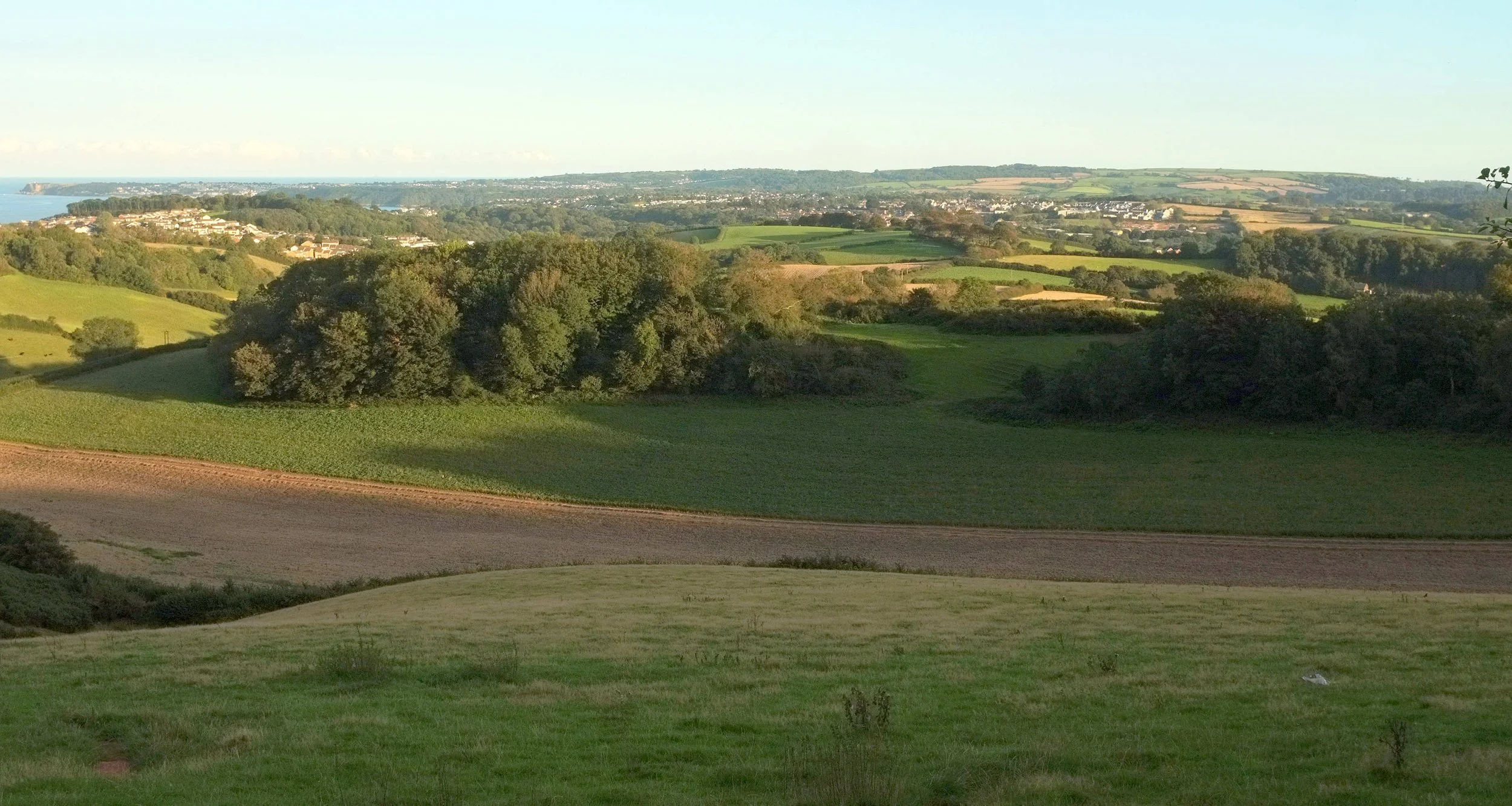
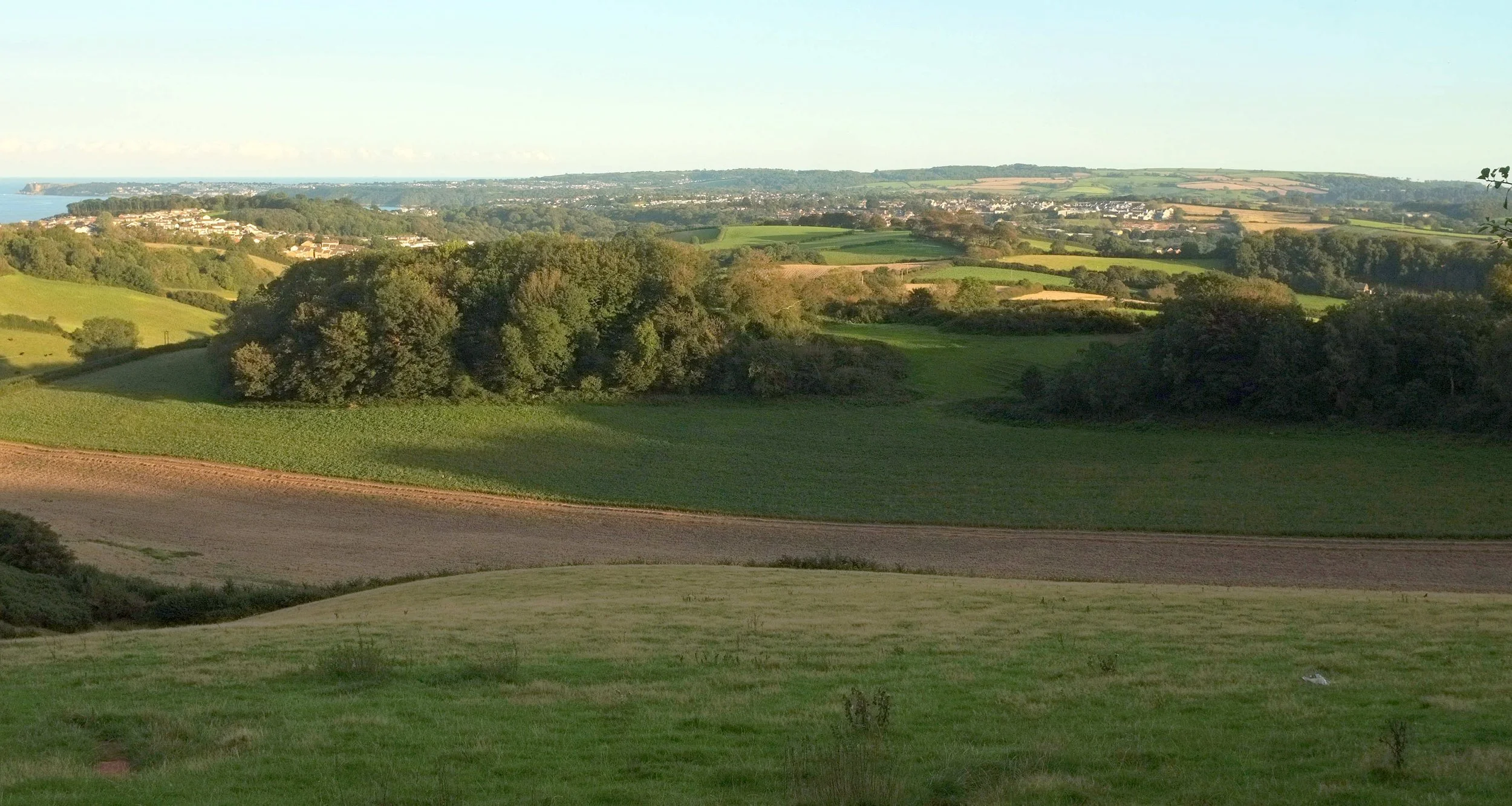
By Countryside west of Paignton by Derek Harper, CC BY-SA 2.0, https://commons.wikimedia.org/w/index.php?curid=151433899
A Song of Erin ABRSM Grade 1 2025 – 2026
This piece has been in the syllabus twice, firstly in 2009 – 2010 and then 2025 – 2026.
Character/story of the piece – it would be advisable if the player creates some words that accompany the music, these should portray the beauty of the Irish countryside and the singer’s appreciation of it. The character remains peaceful and charming however in the third phrase the singer becomes a little agitated.
Form – this piece has an episodic form; it sounds as if it is the verse of a longer song. The player could consider that they are playing one part of a longer song containing verses and a chorus. The piece is in F major and in the third phrase the music briefly suggests G major. The D𝄬 in the penultimate bar provides the listener with a feeling of expectation as to whether the music will end in the major or minor tonality.
Main part of the music – this should occur in bar 10 where the music moves to the highest note of the piece, a D. Dunhill has helpfully marked the dynamics as being mezzoforte at this point. Considering that the main part occurs about three quarters of the way through, the listener’s interest must be maintained until the end with the dynamics not dropping too much too soon.
Phrasing – there are four phrases in this piece, each being four bars long. Each set of two phrases should be considered as a set, with the second phrase ‘answering’ the first phrase. Three of the phrases, the first, second and last ones all commence with the same music however in the third phrase new material is introduced.
Tempo, time signature and rhythmic patterns – the common time signature provides the music with the length of phrases that it requires to portray the peaceful and charming character. The suggested tempo of c.120 crotchet beats per minute is recommended, as this is necessary to provide the music with momentum without it becoming too slow and lacking in character. There is a danger in this piece that the long notes are not held long enough, for example in bars 8 and 12. Also, it is possible that the rests are not observed correctly as the R.H. C and A must stand on their own. Careful tone-matching must be utilised when playing the dotted crotchet/quaver patterns because if the quaver is played too loudly it will distort the rhythmic patterns.
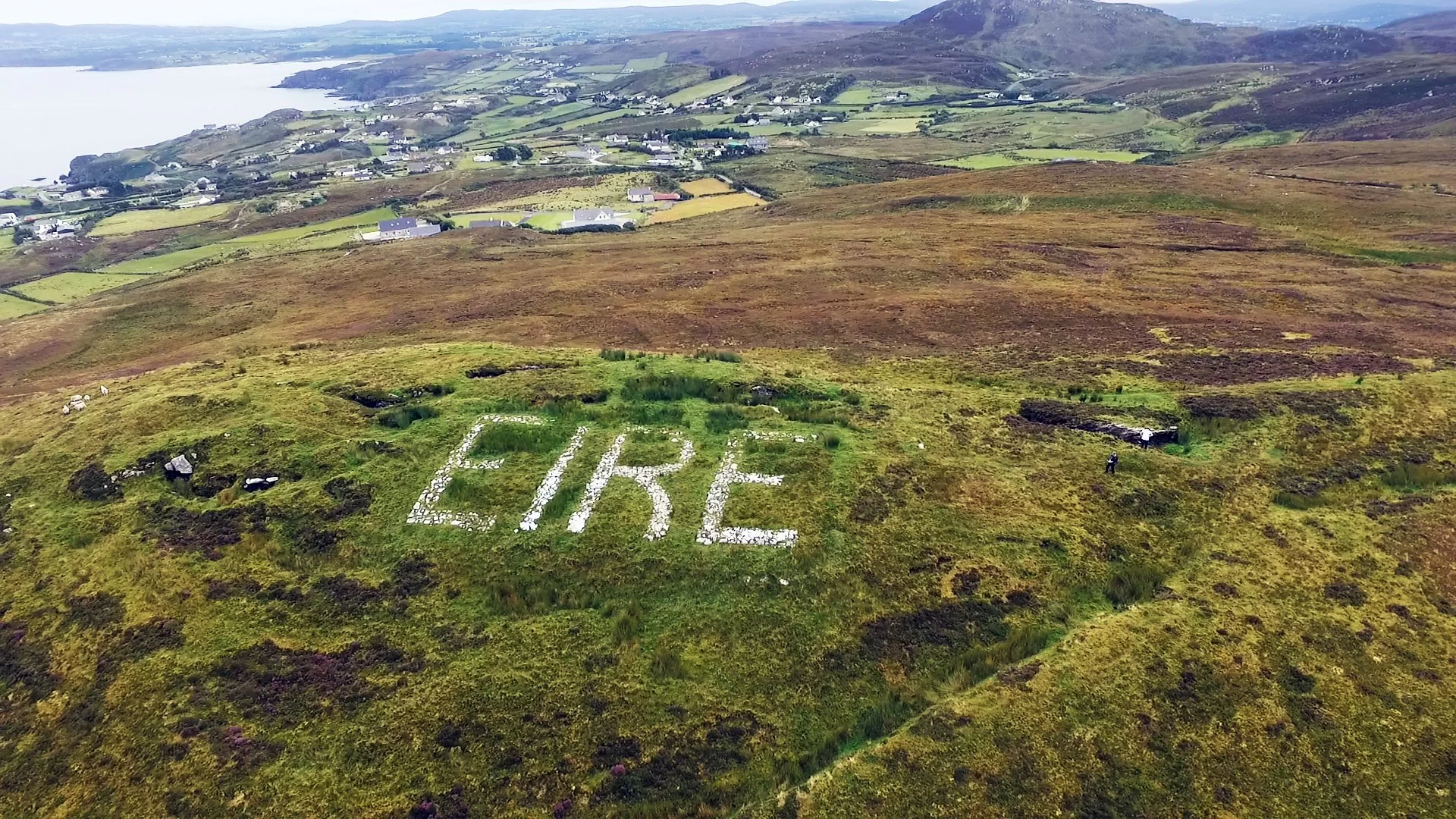
By Kmccook - Own work, CC BY-SA 4.0, https://commons.wikimedia.org/w/index.php?curid=89223070
Touch/Articulation – clearly the player will need to employ a cantabile touch when playing this music as this is suitable for the character of the piece. The player will need to provide weight from their shoulder which should be transferred to the hand using a relaxed arm and supple wrist. The L.H. will need to be played with resonance, the degree of which will depend on the dynamics of the phrase. All of the phrases are connected from one note to the next with the exception of the third phrase where there is a lift prior to the playing of the high R.H. D.
Dynamics – as has already been alluded to, the dynamics should not be too loud in this piece as it would not suit the character and the mood required. The dynamics should range from pianissimo to mezzoforte. There is a danger that when playing the quieter dynamics, the music becomes thin and lacking in resonance. Considering that this piece was written in 1935, the dynamic levels should be thought of in this context. The quietest part of the piece should be at the end. As is always the case, a small change in the L.H.’s dynamics will amount to a considerable change in the dynamics overall.
Balance between the hands – this is an aspect that the player must always be listening carefully for. When the L.H. is played in bar 3, a chord needs to be played. Here there is a danger that the L.H. is played too loudly in comparison with the R.H. However, at the end of this first phrase the L.H. is actually playing notes of the melody, so the player must carefully listen to the dynamics of the R.H. This occurs again in the third phrase where the melody moves between the hands.
Agogic effects – small touches of rubato used this piece are appropriate, but the player must consider why they are applying this. It would be very easy to allow the piece to gradually slow down with some small easing of the tempo. Any rubato applied must be balanced, any easing of the tempo must be counteracted by an acceleration elsewhere. The only exception is at the ending where the piece should gradually slow down in the final two bars.
Consideration when playing this piece
· A touch of pedal in the final bar is appropriate as this will help to sustain the sound.
· The player should count to six at the slowing speed allowing some of the sound to die away before lifting their hands and pedal.
· Tone-matching is an extremely important skill, and it is vitally necessary to apply this skill when playing this piece.
· Any lifts, such as the lift at the end of the first phrase, should occur with the fingers in contact with the keys as they are lifted.
· The fingers should be sitting on the keys before commencing to play.
References
ABRSM Teaching Notes on Exam Pieces 2009 – 2010 published 2008 by The Associated Board of Royal Schools of Music (Publishing) Ltd, 24 Portland Place, London W1B 1LU United Kingdom
ABRSM Teaching Notes on Exam Pieces 2025 – 2026 published in 2024 by ABRSM (Publishing) Ltd, a wholly owned subsidiary of ABRSM, 4 London Wall Place, London EC2Y 5AU, United Kingdom.