
From personal photo collection.
Cheshire Cat Nikki IIles Grade 2 2025 - 2026
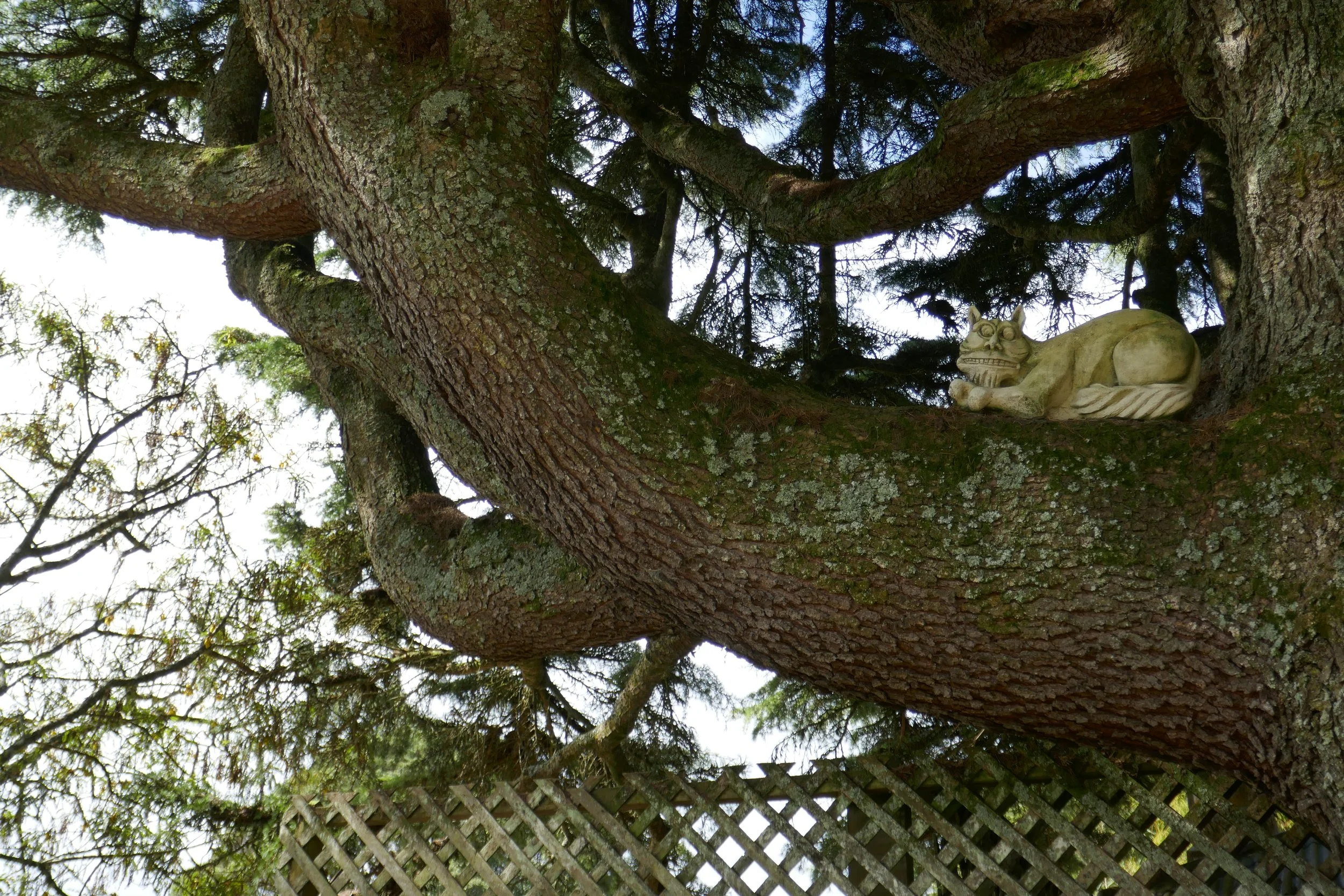
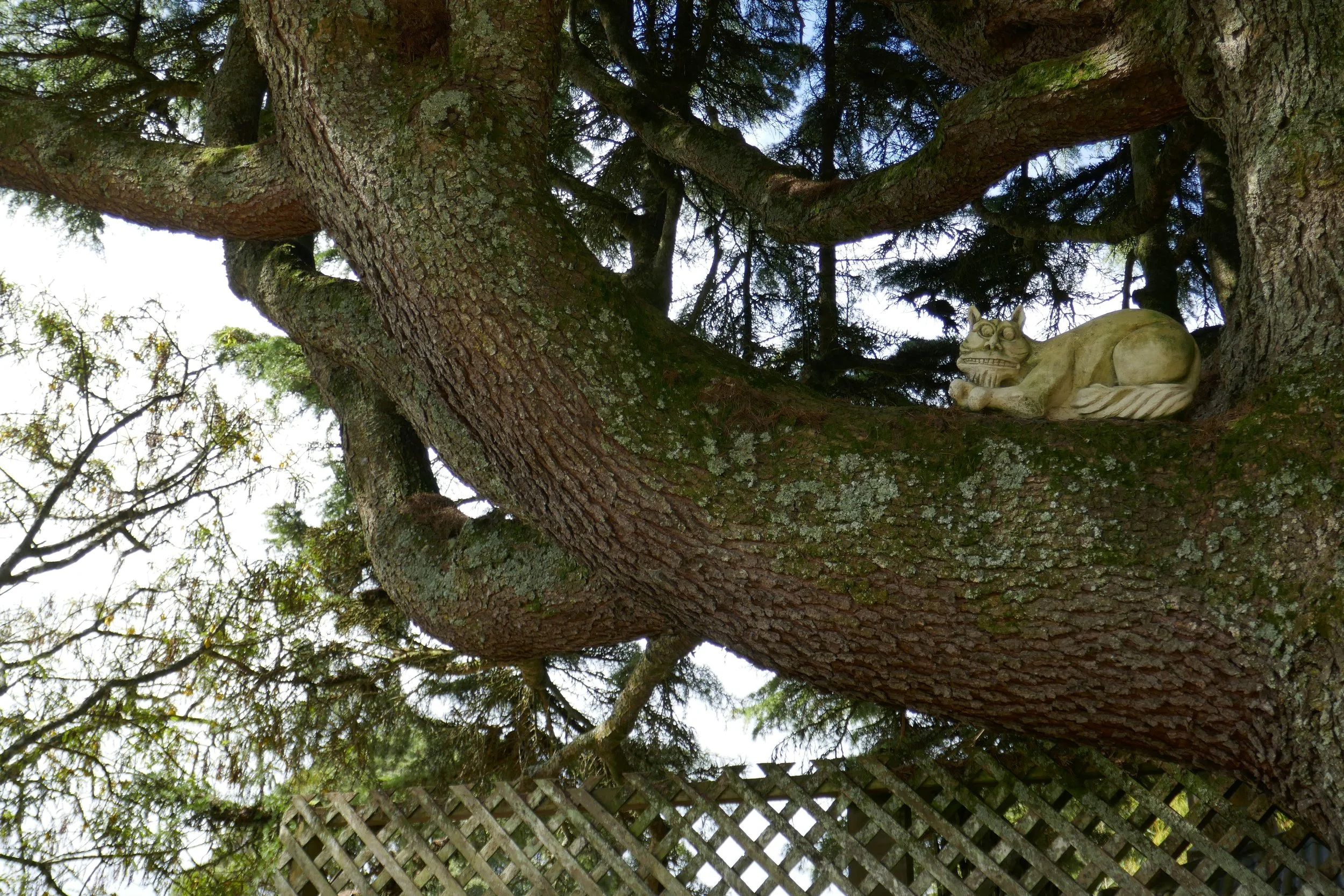
Character/story of the piece – clearly the inspiration for this piece comes from the book, “Alice in Wonderland”. The player will need to find out how the Cheshire Cat fits into the story and its importance as well. According to Wikipedia, ‘the association of a “Cheshire cat” with grinning predates the 1865 book. It has transcended the context of literature and become enmeshed in popular culture, appearing in various forms of media from political cartoons to television, as well as in cross-disciplinary studies, from business to science. Often it is shown in context of a person or idea that is purposefully confusing or enigmatic. One distinguishing feature of the Alice-style Cheshire Cat is the periodic disappearance of its body, leaving only one last visible trace: its ironic grin. He belongs to the Duchess’. Wikipedia carries on by saying, ‘in the story the Cheshire cat appears and disappears at will and engages Alice in amusing but sometimes perplexing conversation. At one point, the cat disappears gradually until nothing is left but its grin, prompting Alice to remark that “she has often seen a cat without a grin but never a grin without a cat”. The Cheshire Cat helps Alice navigate the absurdity of Wonderland being a philosophical guide and embodies ambiguity and chaos.
The player will need to determine whether Alice and the Cheshire Cat are having a conversation or whether the cat is appearing or disappearing at will. Considering that this is a jazz piece, the player could imagine two instruments playing this piece with the R.H. portraying Alice and the L.H. portraying the cat.
Form – although it is essentially episodic in form the piece is beautifully proportioned. There are three sections with the A section being the first two phrases, the B section being the second two phrases and the last section containing one phrase. This last section, a kind of a coda, commences in the same way as the first section but soon develops its own melodic material. Bars 7 and 15 have the same rhythmic pattern; this provides the piece with cohesion.
Main part of the music – the main part of the music occurs at bar 15 at a fortissimo level. In bar 19 there is another focal point however the player must ensure that this one does not eclipse bar 15.
Phrasing – as already discussed there are five phrases in this piece. The first and second phrases, as well as the third and fourth phrases are presented as a set, with the second phrase ‘answering’ the first. Each phrase in this piece is four bars long and all start on the first beat of the bar. However, because of the entry on the offbeat it provides the music with a kind of upbeat feel. The player must consider how one phrase connects to the following.
From personal photo collection.
Tempo/time signature and rhythmic patterns – the suggested speed of 124 crotchet beats per minute is perfect for this piece. Nevertheless, the player will need to play the music constantly with the metronome to ensure that the rhythmic patterns are played correctly. The quadruple time signature enables the music to flow easily without the need for excessive accentuation. Therefore, when the accentuation is applied it is more effective. Some players will naturally be able to sense the swing rhythm however there will be some players who will need assistance when working out the rhythms in this piece. There is a danger that in bars 7 and 15, for example, the last note is played at the beginning of the subsequent bar rather than at the end. Bars 9 – 11 will require a lot of work with the L.H. coming in on the off-beat as well as the placement of the last L.H. note. There is a danger that this note is played too late, therefore being played on beat 4. Lastly, the final bar could provide a little concern for some players. The rests must be strictly observed.
Touch/Articulation – the longer notes in this piece will require a degree of resonance so that they remain sounding for their length. These notes or chords will need to be played from the shoulder with controlled weight into the key bed. In bars 1 – 6 the R.H. should be played with a legato touch with some weight from the shoulders. There is a change of contrast in bar 7 which the player must acknowledge with a more energetic touch employed. The two-note slur should be played as marked. The player must note that, for example in bar 1, the two-note slur on the first beat does not have a staccato dot on the second note however the other two-note slur in this bar does. Considering that the staccato dot is placed on a crotchet this lift should not be short and energetic, rather it should be lifted with the finger in contact with the key. There are numerous accented notes in this piece of music, many of which occur in the third phrase. Wherever the accents occur, the player must always consider the playing of them in the context of the music. For example, in the third phrase, if the first L.H. note is played much louder than the remaining R.H. sound it will not sound cohesive overall. The composer has also used tenuto markings in the fourth phrase, and the listener must be made aware of the differentiation between the accented notes and those that are played tenuto. It is interesting to note that the last chord, although accented is to be played pianissimo.
Balance between the hands – this changes throughout the music, in the first six bars the balance is to the R.H. but in bar 7 the hands are equal in balance. Then the L.H. becomes the focus in the third phrase.
Dynamics – the composer has added many appropriate dynamic markings to the music. There is room for a little modification of these dynamics, and the player could reserve the largest variance in dynamics until the final phrase, thus adding more drama to the music. The player must ensure that they are not playing this music at a constant level of loud dynamics, a larger variance of dynamics will provide the mystery and confusion the music requires. And the player must not allow the louder dynamics to be strident or harsh in any way.
Agogic features – this is not a feature of the music.
Considerations when playing this piece –
· Notice how the composer has written ‘stealthy swing’ at the beginning of the piece.
· The tied notes must be held for their correct length.
· There is a danger that the chords may split when played.
· The player should enjoy the ‘silences’.
· There is a danger that the player could potentially ‘dive’ onto the R.H. chord in bar 4.
· The music needs to sound relaxed and unhurried.
· At bar 16 there is a feeling of expectancy.
· The R.H. D connects to the R.H. chord of bar 9.
References
AI Overview
en.wikipedia.org.wiki/Cheshire_Cat
From personal photo collection.